Nestled in the Indian Ocean northeast of Zanzibar, Pemba is a hidden gem. Renowned as the “Green Island” for its lush vegetation, it boasts pristine beaches, a magnificent sea, and a welcoming population that cherishes its Swahili culture.
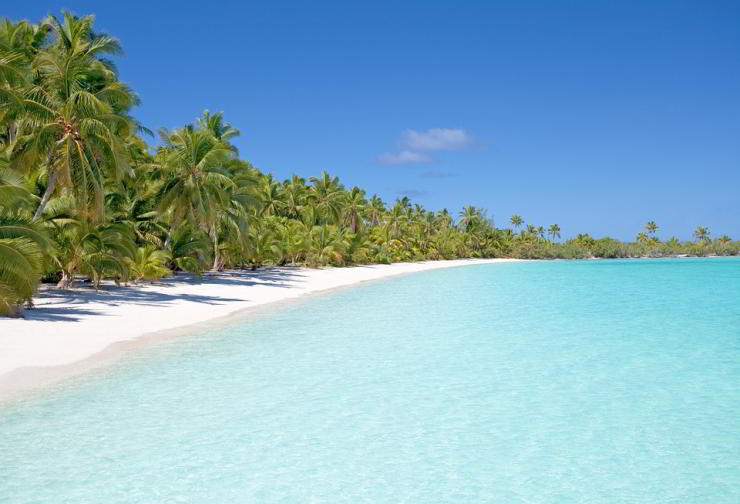
Just under 70 kilometres long and about twenty kilometres wide, steeped in Swahili culture, Pemba is surrounded by beaches of fine white sand. At the same time, the hinterland, hillier and more fertile than Zanzibar, is dominated by clove crops (of which the island was, for centuries, the largest producer in the world) and coconuts. The cultivation and trade of these products and the young tourist industry are the linchpin of the local economy.
But the inhabitants of Pemba are also skilled sailors and fishermen: every day they sail the waters of the Indian Ocean aboard their dhows – traditional sailing boats – to catch groupers, marlins and swordfish.
Located northeast of Unguja (the main island of the Zanzibar archipelago), Pemba is also known as “The Green Island” for the lush tropical vegetation that surrounds it. It offers a unique blend of natural beauty and local culture, with an atmosphere that allows you to immerse yourself in a pristine environment.
From verdant hills to dense mangrove forests and beautiful coral beaches, the island offers enchanting views. The coral reefs, especially in the Misali Marine Park, are among the most pristine in the Indian Ocean, offering a paradise for snorkelling and diving: here you can swim among multi-coloured corals, tropical fish, sea turtles and, occasionally, spot dolphins.
Unlike nearby Unguja, or Zanzibar per se, with its lively history and intense trade with the Middle East, Pemba has retained a rural character, based on the cultivation of spices and tropical fruits that shape the landscape and mark the life of the inhabitants. The population keeps ancient traditions alive, many of which are linked to the Islamic religion introduced by Arab merchants in the 9th century. Religious celebrations and traditional dances such as the ngoma offer visitors a unique and fascinating experience.
Among the remains of the past, the archaeological site of Ras Mkumbuu, with the ruins of a 13th-century Swahili city, bears witness to the importance of the island in the trade of ivory, spices and slaves. Here, Swahili culture, born from the encounter between Islam and the Bantu civilisation, still represents an identifying character, a syncretic whole in which religion and traditional medicine coexist. Locals greet by placing their hands on their hearts and saying a sweet salaam aleikum, while healers, the waganga, practice traditional medicine combining herbs and rituals.
Misali Marine Park is one of the island’s most popular destinations. This marine reserve, located just off the west coast, is considered one of the best diving and snorkelling spots in Tanzania. Here, pristine coral gardens are home to colourful marine life, including tropical fish, turtles and, occasionally, dolphins.
Ngezi Forest, located in the north, is a rare rainforest that represents a unique ecosystem, inhabited by several species of birds, bats and monkeys. Walking its trails immersed in vegetation offers a wonderful opportunity for bird watching and contact with nature in the wild.
Chake-Chake, the administrative capital of the island, is a small centre that retains the charm of a Swahili village. Here you can visit the local market, renowned for its spices and fresh produce, and Pemba Fort, a historic fortification built by Omani Arabs in the 19th century. The beaches of Vumawimbi and Kigomasha offer white sand and crystal-clear waters. And finally, an unmissable experience is also the local honey, considered a balm for the soul, which has the flavours of the island’s lush vegetation. (Layla Kimani/Africa) – (Photo: Pixabay)