The plant is not only a healing agent, but also a symbol of resilience and adaptability.
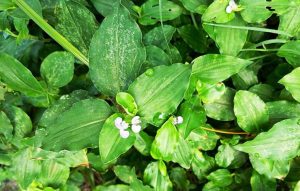
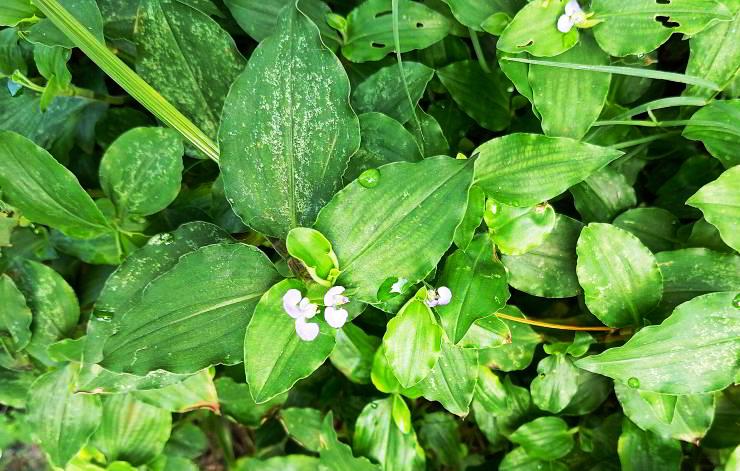
Commonly known as the Bengal dayflower, it is a sprawling annual herb with both surface and subterranean growth. Its sparsely and short-pubescent stems sometimes produce underground runners with self-pollinating flowers. Its leaves are shiny, pale apple-green and ovate with an obtuse to acute apex and a base that narrows into a sheathing petiole adorned with long red or colourless bristles.
The plant has small, vibrant flowers with deep, ink-blue petals that are clustered in obliquely fused, triangular spathes. The plant flowers from June to August and produces capsules containing seeds.
Commelina benghalensis is valued as both human food and animal fodder. The leaves can be eaten like spinach, either boiled and mashed or mixed with other vegetables. Beyond nutrition, the plant contributes to soil and water conservation, making it a valuable resource for sustainable agricultural practices.
This remarkable plant plays a significant role in traditional medicine across African cultures. Some cultures apply it as a poultice to wounds and to lower blood pressure, while others use it to treat burns, sore throats and dysentery.
The plant’s juice is used to soothe ophthalmia and sore throats, and the bruised leaves are used to treat burns. Commelina benghalensis plays a crucial role in herbal remedies. It is used as a demulcent, refrigerant and laxative, and to treat conditions ranging from headaches and leprosy to epilepsy and snakebites.
The root juice alleviates digestive disorders, while the paste made from the plant treats burns. The plant can be used as both food and medicine to treat skin inflammations and other ailments. It is also used as a laxative. Root juice is used to treat indigestion, while root decoctions relieve stomach disorders. A solution made from pounded leaves is used to treat diarrhoea.
The sap from the leaves and stems is used to treat ophthalmia, while the liquid from the flowering spathe is used to treat eye conditions, reflecting its use for sore eyes and wounds in other cultures. The plant is also used to treat sores, burns and rashes, as well as leprosy. Poultices are made for foot sores, and in some regions, it aids wound healing and address conditions such as eczema, conjunctivitis and suppurative sores.
Commelina benghalensis is a healing agent and a symbol of resilience and adaptability. It is used as a famine food, as a diuretic and to treat malaria. Its mucilage is used to treat infant thrush, which reflects the plant’s gentle yet potent medicinal properties.
The widespread use of this plant highlights the interconnectedness of human societies and their reliance on nature for their well-being. Therefore, Commelina benghalensis is a testament to the enduring relationship between plants and people, providing nourishment, healing, and environmental benefits to certain communities. (Richard Komarech) – (Photo: CC BY-SA 4.0/Salil Kumar Mukherjee)