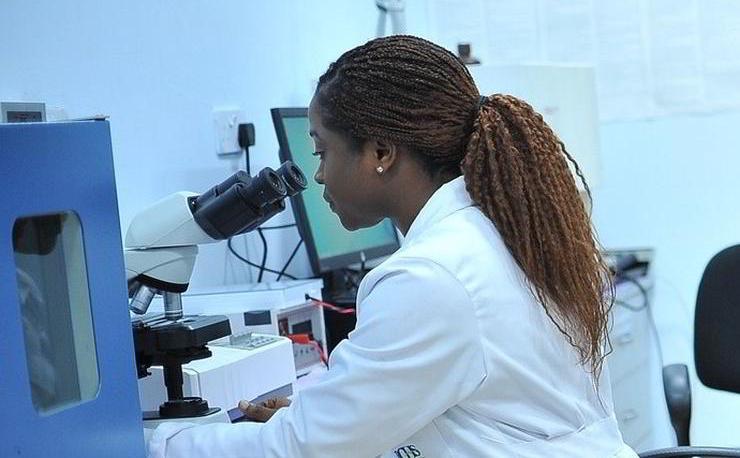
The historic Institut Pasteur in the Senegalese capital produces vaccines against formidable diseases such as yellow fever and conducts cutting-edge research on epidemics threatening African populations.
Dakar, the capital of Senegal, boasts a centre of excellence for the study and treatment of infectious diseases: the Institut Pasteur, a private, non-profit Senegalese foundation established in 1896 by Émilie Marchoux, a disciple of Louis Pasteur.
For over a century, the Institut Pasteur has been a pioneer in public health, biomedical research, and epidemic surveillance, safeguarding public health across the continent. Today, it conducts research and provides medical, epidemiological, and biological consulting; it is also the only facility in Africa that produces a yellow fever vaccine, having manufactured over 350 million doses to date on behalf of the World Health Organization.
Its strong partnership with the WHO has led the Senegalese institution to step up on numerous occasions to tackle major health challenges. In the spring of 2022, the Pasteur laboratories began producing rapid tests and COVID-19 vaccines in collaboration with the Belgian pharmaceutical company Univercells.
The pandemic highlighted the strategic role of this regional African health hub, which has developed world-class expertise in emergency surveillance and is increasingly capable of independently addressing the continent’s healthcare needs.
Current research activities focus primarily on two viruses that continue to threaten public health in sub-Saharan Africa: Ebola and Marburg. The institute also responded rapidly to the recent Hantavirus outbreak on a cruise ship and to the new outbreak of the Bundibugyo Ebola strain in the Democratic Republic of the Congo. “We want to be ready for any emergency,” officials in Dakar state. (Claudia Volonterio/Africa) – (Pixabay)